
Vaginal laser therapy, hormone support and IV wellness in a single plan
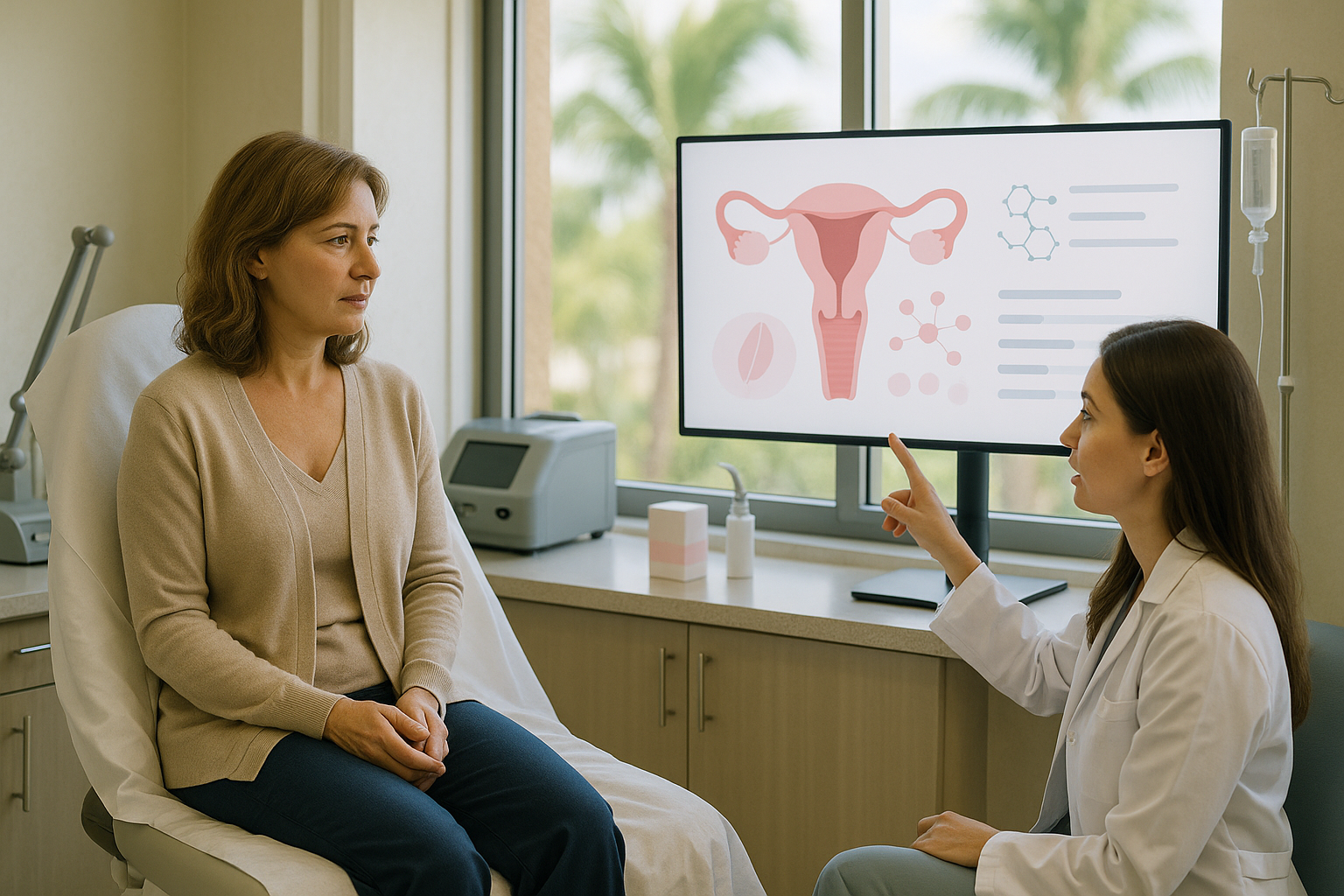
In Miami, intimate health has become part of the larger wellness conversation. Women in their forties, fifties, sixties and beyond are not just quietly living with vaginal dryness, pain with intercourse, urinary urgency, or fatigue. They are actively searching for solutions that feel modern, minimally invasive, and aligned with the rest of their health goals.
Most of the time, they are seeing three very different ideas in their feeds:
- Vaginal laser treatment for genitourinary syndrome of menopause and stress urinary incontinence
- Hormone based options, like local vaginal estrogen or systemic hormone therapy
- Wellness services such as
iv therapy miami offerings, advertised with
iv drip miami,
iv infusion miami, and even
hangover iv miami style language
On top of that, a lot of marketing leans on phrases such as vagina tightening treatment or “vaginal rejuvenation,” which can sound promising but often gloss over what studies actually measured and what major societies currently recommend.
This guide is designed to slow things down and put the pieces in order. First, we will look at what is actually happening in the body with genitourinary syndrome of menopause and related intimate symptoms. Then we will unpack what clinical trials show about vaginal laser treatment and how it compares with hormone therapy. Finally, we will give a reality check on iv therapy miami style wellness drips and how a clinic like CMA Miami could responsibly integrate all of these options into safe, individualized plans instead of quick fixes.
Understanding genitourinary syndrome of menopause and intimate symptoms
Before choosing any treatment, it helps to understand the underlying condition.
Genitourinary syndrome of menopause (GSM) is the term that leading menopause societies now use to describe the cluster of symptoms that can appear as estrogen levels fall in midlife and beyond. These hormone changes affect the vulva, vagina, urethra, and bladder. Large position statements report that a substantial portion of postmenopausal women develop some degree of GSM, and many experience symptoms for years if they are not treated.
Common symptom clusters include:
- Vaginal and vulvar dryness or burning
- Pain with intercourse (dyspareunia)
- Irritation, itching, and recurrent infections
- Urinary urgency, frequency, or burning
- Stress urinary incontinence, such as leakage with laughing, coughing, or exercise
Under the microscope, the vaginal lining becomes thinner, less elastic, and less well lubricated. The pH shifts, which can favor irritation and infection. Tissues around the urethra and bladder neck lose some of their collagen and support, which can contribute to leakage and urgency.
These changes are not just “annoying.” GSM is repeatedly linked with reduced quality of life, strain in relationships, avoidance of intimacy, sleep disruption, and increased health care visits for urinary and vaginal complaints.
This is the backdrop for all the treatments discussed in this article:
- Vaginal laser treatment is being studied as a way to thicken the vaginal epithelium, improve lubrication, and support urogenital tissues in GSM and mild urinary symptoms.
- Hormone therapies are the long established, guideline backed first line options for most women who can safely use them.
- IV wellness tools – the kind marketed in
iv therapy miami fl settings – show up more in marketing narratives than in formal GSM guidelines, but some women are curious about them for energy, mood, or PMS relief.
You will also see language like vagina tightening treatment or “intimate rejuvenation” online. In reality, clinical trials measure specific outcomes: dryness scores, dyspareunia scores, urinary leakage, quality of life questionnaires, and objective changes in tissue – not a vague promise of turning back the clock.
How vaginal laser treatment works
Energy based devices in the vaginal canal are typically built around two laser families: fractional CO₂ and Erbium:YAG. Both are designed to deliver controlled heat to the vaginal walls, but they do it in slightly different ways.
Fractional CO₂ lasers
Fractional CO₂ systems deliver columns of energy that create micro-injuries in the mucosa and underlying lamina propria. Between those “columns” of treated tissue, small islands of untouched tissue remain, which helps the lining heal more quickly. In biopsy and imaging studies, this controlled injury is followed by:
- Thickening of the vaginal epithelium
- Increased collagen and elastin content in the treated layers
- Improved vascularity and normalization of pH
The idea is that these changes improve lubrication, comfort with penetration, and overall vaginal health in women with GSM.
Erbium:YAG lasers
Erbium:YAG devices can be used in ablative or non-ablative modes. In many intimate health protocols, they are used in a non-ablative fashion to deliver heat deeper into the tissue without visibly removing the surface.
The goals are similar:
- Stimulate remodeling of collagen and elastin
- Improve elasticity and support in tissues under the bladder neck and urethra
- Enhance pelvic floor support and potentially reduce mild stress urinary incontinence
What a session looks like in practice
A typical vaginal laser treatment session in a medical office or medical spa miami setting follows a fairly standard pattern:
- A speculum-like handpiece is gently placed in the vaginal canal.
- The device is fired in a series of passes along the vaginal walls, often rotating to treat the full circumference.
- Patients usually report warmth, pressure, or mild cramping but not severe pain; a topical anesthetic gel may be used.
- The active treatment time is often minutes. Women may be advised to avoid intercourse, tampons, or hot tubs for a short period afterward.
- Most protocols involve a series of sessions, often three, spaced several weeks apart.
Critically, these treatments were developed and studied to improve specific GSM and urinary symptoms. External radiofrequency or ultrasound systems marketed purely as vagina tightening treatment for appearance have a different evidence base and are not interchangeable with the protocols used in randomized clinical trials.
What the science says for dryness and pain
Once you understand the basic technology, the next question is obvious: what do high quality studies show about vaginal laser treatment for dryness and pain?
Meta analyses and systematic reviews
Several systematic reviews and meta analyses have pooled randomized and nonrandomized studies of fractional CO₂ and Er:YAG lasers for GSM. Overall, they report that:
- Many women report improved vaginal dryness, burning, and dyspareunia after a series of laser sessions compared with their own baseline.
- Objective measures – such as vaginal health scores and microscopic changes in the epithelium – often improve in the months after treatment.
- However, when laser is directly compared with established treatments, the picture becomes more complex.
A 2023 review of randomized controlled trials, for example, found that while lasers improved symptoms relative to baseline, the quality of the evidence ranged from low to very low, study sizes were modest, and follow up was short. In some analyses, laser did not show clear superiority to vaginal estrogen, which remains the best studied standard therapy for GSM.
Sham controlled trials
The most rigorous test is a sham controlled trial, where women are randomized either to actual laser delivery or to a procedure that looks and feels similar but does not deliver meaningful energy.
In one carefully designed study of breast cancer survivors on aromatase inhibitors – a group that often cannot use estrogen – women were randomized to fractional CO₂ laser or sham procedures. Both groups reported improvement in dyspareunia and related symptoms over time, but the differences between the laser and sham arms were small and not statistically significant on key measures at the main follow up time points.
Other sham controlled trials have shown short term advantages in certain scores but again emphasize the need for larger, longer studies to determine durability and to confirm that benefits are beyond placebo and time effects.
Prospective cohort data
Many of the more optimistic reports on vaginal laser treatment come from prospective, uncontrolled cohorts:
- Women receive a standard series of CO₂ or Er:YAG treatments.
- Symptom scores and objective measures are tracked at baseline, after the series, and at follow ups ranging from a few months to a couple of years.
- These cohorts often show meaningful improvements in dryness, lubrication, pain with intercourse, and vaginal health index scores.
Because these studies do not have comparison groups, they are helpful for generating hypotheses but do not prove that laser is better than, or even equivalent to, hormone based treatments.
Take-home messages for dryness and pain
Putting the data together:
- Vaginal laser treatment appears capable of improving GSM symptoms for some women, with evidence of structural and symptom changes in the short to medium term.
- The strongest evidence still supports local vaginal estrogen and related hormone therapies as first line, especially for women who can safely use them.
- Major menopause societies currently describe energy based vaginal therapies as “investigational,” meaning promising but not yet recommended as routine first line care for GSM.
Vaginal laser for urinary urgency and stress incontinence
Urinary symptoms are often mentioned in the same breath as vaginal laser treatment, especially in marketing. The scientific picture here is also nuanced.
How lasers might help with leakage
Stress urinary incontinence occurs when physical pressure – coughing, sneezing, running – overwhelms the support structures under the bladder neck and urethra. The mechanistic idea behind laser therapy is:
- Thermal stimulation could increase collagen and elastin in the anterior vaginal wall and periurethral tissues.
- This might modestly improve support and urethral closure pressure, reducing leakage in mild to moderate cases.
For urgency and overactive bladder, the proposed mechanisms involve changes in local circulation and tissue signaling, though these are less clearly understood.
Randomized trials for stress urinary incontinence
Randomized studies of Er:YAG vaginal laser in women with mild to moderate stress urinary incontinence have reported mixed findings:
- Some multicenter trials show better symptom scores and quality of life measures in the laser group compared with sham or pelvic floor exercises at short term follow up (for example, three to six months).
- Other studies with similar designs have failed to show a statistically significant difference in cure or improvement rates between laser and sham arms, suggesting that placebo effects, behavioral changes, and natural variation can play a significant role.
A consistent theme is that many women in both laser and control groups do better over time, which can make it harder to tease out the true effect size of the device.
Data for urgency and overactive bladder
Smaller randomized and prospective studies have examined Er:YAG treatment in women with overactive bladder symptoms. Some report improvements in urgency and frequency scores compared with baseline or conservative management, but sample sizes are small and follow up is limited.
Pelvic floor physical therapy, bladder training, medications, and in selected cases neuromodulation or surgery remain the standard, well studied therapies in major guidelines.
Practical interpretation
For urinary symptoms:
- Vaginal lasers may help some women with mild stress incontinence or urgency, particularly when standard conservative options have not fully worked.
- The evidence base is still developing. Large, long term, sham controlled trials are needed to identify which patients are most likely to benefit and how durable those improvements are.
- Pelvic floor therapy, pessaries, and surgical options should not be overlooked, especially in moderate to severe incontinence.
Safety profile and professional society positions
Whenever a new technology moves quickly into the marketplace, safety and regulatory questions follow. Vaginal laser treatment is no exception.
Short term safety
Across clinical trials and prospective series:
- Most women tolerate treatments well.
- Short term adverse events include transient burning, discharge, spotting, mild pain, or swelling.
- Serious complications such as scarring, strictures, or significant infections are rare but have been reported.
In the hands of experienced clinicians using appropriate settings, short term safety has generally been acceptable in published studies.
Long term unknowns
Where we have less clarity is the long term:
- Most studies follow patients for months to a couple of years, not decades.
- The effects of repeated treatment “maintenance” cycles over many years are not well described.
- It is not yet clear whether repeated thermal injury could have subtle negative effects on tissue health in the long run, especially in women with other risk factors.
These uncertainties are part of why major professional societies are cautious.
Expert and regulatory positions
Key points from authoritative bodies include:
- The North American Menopause Society and similar organizations recognize the interest in lasers for GSM but emphasize that local vaginal estrogen and other hormone therapies have the strongest long term safety and efficacy data. They describe energy based vaginal therapies as investigational and call for more high quality research before routine use.
- In 2018, the U.S. Food and Drug Administration issued a safety communication warning manufacturers against marketing energy based devices – including lasers and radiofrequency systems – for so-called “vaginal rejuvenation” or
vagina tightening treatment without adequate evidence. The FDA highlighted reports of burns, scarring, and pain when devices were used off-label or without appropriate training.
How a clinic like CMA Miami can respond
For a clinic such as CMA Miami, responsible practice means:
- Presenting
vaginal laser treatment as one tool that might be considered in specific scenarios, not as a cure-all.
- Making sure women understand what has and has not been proven in trials.
- Using devices that have regulatory clearance for gynecologic indications where possible and following evidence based protocols.
- Obtaining thorough informed consent, including discussion of alternatives such as hormone therapy and pelvic floor rehabilitation.
Hormone support as the current standard for GSM and sexual comfort
Hormone based treatments remain the backbone of GSM management for many women, and any discussion of lasers needs to be grounded in that reality.
Local vaginal estrogen
Low dose local estrogen therapies – in the form of creams, tablets, rings, or softgel inserts – are the best studied treatments for GSM. Guidelines consistently report that they:
- Improve lubrication, pH, and vaginal health index scores
- Reduce dryness, burning, and dyspareunia
- Improve urinary urgency and recurrent infections in many women with GSM
Because systemic absorption is minimal with low dose preparations, these therapies have a favorable safety profile for the majority of postmenopausal women, though individual contraindications and cancer histories still matter and must be reviewed.
Other localized options
For women who cannot, or prefer not to, use estrogen, several alternatives exist:
- Vaginal DHEA (prasterone), which is converted locally into estrogens and androgens and has been shown in randomized trials to improve pain with intercourse and lubrication.
- Selective estrogen receptor modulators such as ospemifene, an oral medication with evidence for improved dyspareunia and vaginal changes in GSM.
These options add flexibility to care plans, especially in special populations.
Systemic hormone therapy
Systemic hormone therapy – estrogen alone or combined with progestogen – remains the most effective option for hot flashes, night sweats, and related symptoms. When appropriately prescribed, it also improves vaginal and urinary symptoms for many women.
Current guidance stresses individualized risk assessment:
- Age and time since menopause
- Cardiovascular risk
- Breast cancer risk and history
- Personal preferences and symptom burden
Hormones versus lasers
When comparing hormones and lasers:
- Meta analyses and expert commentaries have not found strong evidence that
vaginal laser treatment is superior to vaginal estrogen for GSM.
- The quality of the laser evidence is generally lower, with smaller trials and shorter follow up.
- Hormones have decades of data behind them, including long term safety monitoring in diverse populations.
This is why major societies still recommend starting with hormone based options when they are safe and acceptable to the patient, and considering lasers as an additional or alternative tool in selected circumstances.
IV wellness and Myers-style drips for energy, mood and PMS
Shifting gears from the pelvis to the bloodstream, many Miami residents are also curious about IV wellness drips. Ads for iv therapy miami and hangover iv miami promise everything from “instant energy” to “immunity boosts” and PMS relief.
What does the research say?
What is a Myers-style cocktail?
A Myers-type infusion typically includes:
- B-complex vitamins and vitamin B12
- Vitamin C
- Magnesium and calcium
- Sterile fluids
These are delivered through a vein over 20 to 45 minutes, sometimes in a fixed formula, sometimes with minor customizations.
Evidence from controlled trials
The most widely cited randomized, placebo controlled trial of a Myers-type cocktail looked at patients with fibromyalgia. Participants received weekly infusions of either an active Myers-style formula or a visually similar placebo over several weeks.
Key findings:
- Both groups experienced improvements in pain and fatigue.
- The active infusion group showed trends toward greater improvement, but the differences did not reach strong statistical significance in all measures.
- The treatment appeared safe over the short term.
Beyond that study, much of the research on intravenous micronutrient therapy consists of small pilot trials, case series, or extrapolation from hospital settings where IV nutrients are used for clear deficiencies or specific medical conditions.
Position statements and expert opinions
Recent reviews from academic and regulatory bodies make several points:
- IV vitamin therapy has clear roles in treating documented deficiencies, malabsorption syndromes, or situations where oral intake is not possible.
- For generally healthy people, there is little high quality evidence that routine vitamin drips provide benefits beyond what can be achieved with diet and oral supplements.
- Claims about anti-aging, immunity, or athletic performance tend to outpace the data.
PMS, mood, and hangover marketing
There is scientific interest in the roles of magnesium, vitamin B6, and vitamin C in mood regulation and premenstrual symptoms. Most of that research, however, involves oral supplementation or targeted intravenous use in medical settings, not the casual, mobile drip style of iv infusion miami marketing.
For hangovers, hydration, electrolytes, and anti-nausea medications can help people feel better while their body processes alcohol. A handful of small studies and reviews suggest that no IV formula can truly “cure” a hangover; it can only support comfort and hydration while the underlying metabolism runs its course.
Safety and practicality
IV therapy is not a spa treatment in the strict sense; it is a medical procedure. Even when offered in a lounge or at home:
- It requires sterile technique to avoid infection.
- Fluids and electrolytes must be chosen carefully, especially for people with heart, kidney, or liver conditions.
- Allergic reactions, vein irritation, and fluid overload are possible, though uncommon with proper screening.
For a clinic like CMA Miami, that means positioning iv therapy miami services as optional, supportive tools in specific contexts – not as a replacement for hormone therapy, pelvic floor rehabilitation, or mental health care.
How CMA Miami can connect vaginal laser, hormones and IV wellness
With all of that in mind, how might a comprehensive practice approach these tools without overpromising?
Start with careful assessment
A thorough evaluation is the foundation:
- Detailed history of symptoms: dryness, pain with intercourse, bleeding, urinary urgency or leakage, recurrent infections, low desire, fatigue, mood changes, PMS patterns.
- Review of medical history, surgeries, medications, cancer history, cardiovascular risk, and bone health.
- Pelvic exam when appropriate, to assess tissue changes, pelvic floor tone, prolapse, or other structural issues.
- Lab work or imaging when needed to clarify hormone status or rule out other conditions.
This step separates GSM and stress incontinence from other causes of pain or urinary problems that would need different treatment.
Build from the strongest evidence
A responsible plan usually starts with options that have the most robust data:
- Local vaginal estrogen or other approved hormone therapies for GSM, when medically appropriate.
- Lubricants and moisturizers, used regularly rather than only during intercourse.
- Pelvic floor physical therapy for stress incontinence, urgency, and pelvic pain.
- Relationship or sexual counseling when intimacy and communication are part of the picture.
Where vaginal laser treatment might fit
Vaginal laser treatment can be considered as an additional tool for:
- Women with GSM who cannot or will not use hormone therapies, after a clear discussion of the investigational status and evidence gaps.
- Selected cases of mild stress urinary incontinence or overactive bladder symptoms, usually after pelvic floor therapy and conservative measures.
In each case, the focus is on shared decision making and realistic expectations rather than a promise of a single-session “vagina tightening treatment.”
Where hormone support fits
Hormone therapy remains central when:
- A woman is an appropriate candidate for local or systemic hormones.
- Symptoms include both GSM and bothersome hot flashes, night sweats, or sleep disturbances.
- There is a desire to support bone health and long term cardiovascular risk in line with guideline recommendations for early postmenopause.
Laser and hormones are not mutually exclusive; they can sometimes be combined, but hormones should not be dropped prematurely without a clear plan.
Where IV wellness can complement – not replace – care
Within this framework, iv therapy miami services can play a complementary role:
- Hydration and micronutrient support in carefully screened women who feel depleted, travel frequently, or have difficulty maintaining oral intake.
- Targeted protocols discussed in advance with a clinician, not impulse drips chosen from a menu without medical review.
They should not be sold as stand-alone fixes for GSM, hormonal changes, or structural pelvic issues. Any IV plan should be integrated with nutrition, sleep, mental health, and exercise support as part of broader care.
Practical questions for women to bring to consultation
To turn this information into action, it helps to arrive at a visit with specific questions in hand. Here is a checklist you can adapt or screenshot.
Questions about vaginal laser treatment
- Which specific laser device do you use, and what studies support it for my symptoms?
- How many
vaginal laser treatment sessions do you think I might need, and what are realistic outcomes at 12 months?
- What short term side effects have you seen most often, and how do you manage them?
- How does this compare with staying on or starting vaginal estrogen or other hormone therapies for my situation?
- How will you monitor my response and decide whether additional cycles are appropriate?
Questions about hormone support
- Am I a candidate for local vaginal estrogen, DHEA, ospemifene, or systemic hormone therapy given my medical history?
- How long might I need to stay on treatment, and how will we monitor safety over time?
- Are there nonhormonal options we should consider alongside or instead of hormones?
Questions about IV wellness and Myers-style drips
- What exactly is in the
iv drip miami style infusion you recommend for me?
- What symptom or diagnosis are we targeting, and what evidence supports this plan?
- What are the specific risks in my case – for example, with heart, kidney, or metabolic issues – and how will you monitor me during and after the infusion?
- Do you offer
mobile iv therapy miami services, and if so, how do you ensure medical oversight and infection control outside the clinic?
A final reminder
Intimate health is deeply personal. This guide is meant to educate, not to replace medical advice. The right mix of vaginal laser treatment, hormone support, pelvic floor therapy, counseling, and iv therapy miami style wellness services will depend on your history, your risk factors, and your goals.
A thoughtful, evidence informed clinic in Miami will:
- Take your symptoms seriously
- Explain options in plain language
- Be honest about what is well proven and what is still being studied
- Work with you over time rather than promising an instant cure