
Shockwave Therapy for ED: Does It Really Work? What Miami Men Should Know
There is a particular kind of exhaustion that comes with erectile dysfunction. Not the physical kind. The mental kind. The planning. The quiet disappointment. The way intimacy starts to feel like a performance review you never agreed to.
If you are in your fifties and you have tried the usual answers, or you are tired of needing a pill to feel like yourself, the promise of shockwave therapy can sound almost too reasonable. No injections. No daily medication. A series of treatments that claim to improve blood flow and restore function.
Then you search. You find glowing ads. You find skeptical comments. You find a lot of noise and very little clarity.
This article is built for men who want the truth without being embarrassed into it. Shockwave therapy can help some men with certain types of ED, especially when blood flow is part of the problem. It is not a guaranteed cure, and the right clinic will tell you that upfront. The goal is not to sell you confidence. The goal is to assess what is actually driving your symptoms and choose a plan that makes medical sense.
If you want a private, straightforward conversation about options, confidential consults are available.
Questions about ED treatments? Talk to our men’s health specialist. Confidential consults available.
Quick answer for the guy who is scanning
Shockwave therapy for ED is a non surgical treatment that uses acoustic energy pulses to stimulate tissue response and support improved blood flow in select cases. Many men explore it because it is drug free and aims to address the underlying vascular component of erectile function rather than offering a temporary assist.
Does it work. For some men, yes, especially those with mild to moderate ED tied to blood flow. For others, results may be limited, particularly when ED is driven more by nerve injury, severe diabetes related changes, significant psychological factors, or hormonal issues that have not been addressed.
A reputable provider will frame it as a candidate dependent therapy, not a miracle. The first step should always be an evaluation, because ED can be an early warning sign of broader health concerns.
ED in real life, and why the cause matters more than the symptom
ED is often described in clinical language, but most men do not experience it clinically. They experience it personally. A small change becomes a pattern. A pattern becomes anxiety. Anxiety becomes a cycle.
The reason shockwave therapy creates so much debate is that ED is not one condition. It is a category.
- Vascular factors. If blood flow is reduced, erections can be weaker, less reliable, or harder to maintain.
- Neurological factors. Nerves play a role in arousal and function. If nerve signaling is impaired, blood flow alone may not solve the problem.
- Hormonal factors. Testosterone and other hormones can influence libido, energy, and erectile response. Low levels do not explain every case, but they matter for some men.
- Medication and health conditions. Blood pressure meds, diabetes, smoking, obesity, and cardiovascular disease can all contribute.
- Psychological factors. Stress, depression, relationship strain, and performance anxiety can create or amplify ED.
Shockwave therapy is mainly discussed in the context of vasculogenic ED, meaning cases where circulation and vascular health are key drivers. That is why a good clinic starts by asking questions instead of selling sessions.
What shockwave therapy is, explained without the sales pitch
The simplest way to understand shockwave therapy is this: it uses controlled acoustic pulses delivered to targeted tissue to encourage a healing response. The goal is to support healthier tissue function and improved blood flow pathways over time.
You may see it described with different names. Some clinics brand it. Some call it low intensity shockwave therapy. What matters is not the trademark. What matters is the approach, the screening, and whether it is being offered to the right type of patient.
What it is not
It is not surgery.
It is not an implant.
It is not a medication.
It is not instant.
What a session typically feels like
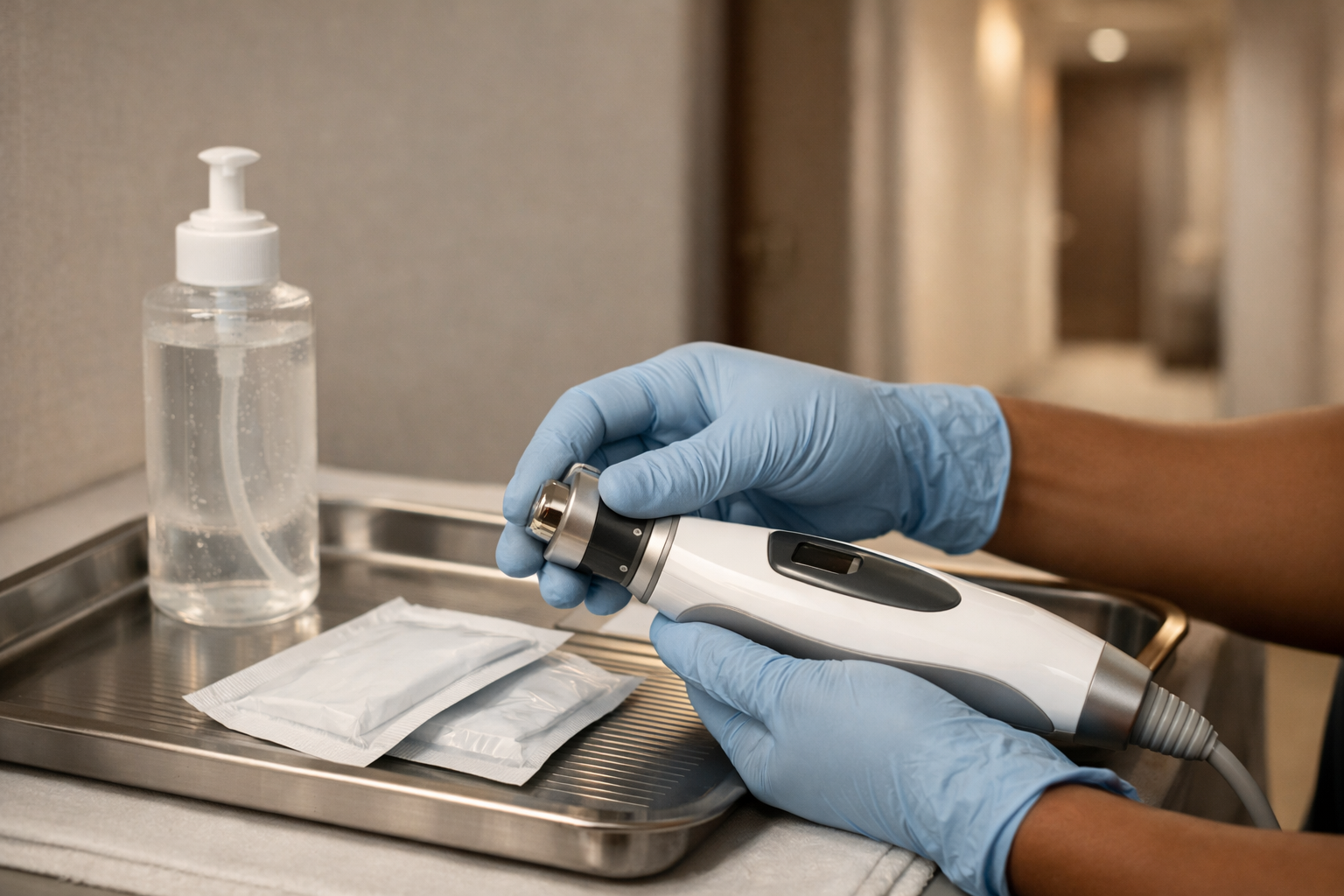
Most men describe the experience as unusual but manageable. A professional applies the device to specific areas while delivering pulses. Discomfort varies, but it should not feel unsafe. The session itself is usually quick. The bigger commitment is the series, because this therapy is generally planned over multiple visits.
Why men choose it
Many men are tired of the on demand nature of pills. Some do not tolerate medication side effects. Others want a treatment that aims to improve function rather than temporarily bypassing the issue.
That said, if your ED is primarily driven by a factor shockwave does not address, you deserve to know that before you invest time and money.
Does shockwave therapy for ED really work
This is where a good article avoids two traps.
Trap one is pretending it works for everyone.
Trap two is dismissing it as pure marketing.
The realistic view is that evidence suggests benefit in select patients, particularly men with mild to moderate ED where vascular health is a major component. Many men report improved erection quality, improved firmness, or improved reliability after completing a protocol.
But results vary. A lot.
Why results vary so much
- The cause of ED differs. If your main issue is blood flow, you are closer to the lane shockwave aims to help. If your main issue is severe nerve damage or untreated hormonal imbalance, your outcome may be different.
- Health factors influence outcomes. Smoking, unmanaged diabetes, cardiovascular issues, and sedentary lifestyle can limit progress. ED often mirrors overall vascular health.
- Devices and protocols are not identical. Clinics may use different equipment, different dosing patterns, and different session plans. Not all offerings are comparable.
- Expectations can distort perception. Some men expect a dramatic overnight change. This therapy is more commonly described as gradual improvement over time, not a switch.
A grounded way to think about “working”
If you are hoping for a permanent, guaranteed return to your twenties, that expectation will hurt you.
If your goal is improved function, improved confidence, reduced reliance on medication, or more consistent performance, you are thinking in a way that aligns with how many men describe their outcomes.
A responsible provider will talk about likelihood, not certainty. They will also emphasize that ED can be connected to cardiovascular health. That is not fear based messaging. It is medical reality.
Who is most likely to benefit
If you are trying to decide whether you should even book a consult, start here.
Men who often see the best response
- Men with mild to moderate ED that appears to be linked to blood flow.
- Men who still have some spontaneous or partial erections, but they are inconsistent.
- Men who want a drug free approach and are willing to complete a series.
- Men who are also willing to improve the basics: sleep, movement, alcohol intake, and cardiovascular health.
Men who should approach cautiously
- Men with severe ED with no response at all, depending on the underlying cause.
- Men with significant nerve related ED, including some post surgical cases.
- Men with uncontrolled diabetes or major cardiovascular instability.
- Men whose primary driver is performance anxiety, relationship stress, or depression, where therapy and counseling may be essential.
A note on hormones
Low testosterone can affect libido and energy, and it can influence erectile function for some men. If symptoms suggest hormonal involvement, a good plan investigates that rather than pushing a device as the only answer.
What a responsible protocol looks like
If you have seen ads that promise you will be “fixed” in one visit, you are right to be skeptical.
A responsible approach has three parts: screening, a series, and honest follow up.
Screening first
A clinic should ask about symptom history, medical history, medications, and lifestyle. They should discuss red flags and set expectations.
They should also talk about privacy. Men avoid care because they do not want to be exposed or judged. A good men’s health clinic protects your dignity as a baseline standard.
A planned series
Shockwave therapy is usually structured as a course of treatments over several weeks. The exact plan should be tailored to your case. The right clinic will explain the schedule, what the sessions aim to do, and what “success” realistically looks like for you.
Follow up and adjustments
If you see improvement, the next question becomes how to maintain it. That may include lifestyle changes, addressing hormones when appropriate, or combining therapies in a thoughtful way.
What you should hear from a reputable provider
- Candidate selection matters.
- Improvement is possible, but not guaranteed.
- ED is often a health signal, not just a bedroom issue.
- Your plan should match your cause.
What you should not hear
- Guaranteed outcomes.
- Pressure to prepay without evaluation.
- Claims that every man responds the same.
Shockwave vs pills, injections, and other options
Men often ask one version of the same question: what is the best option.
The honest answer is that the best option is the one that fits your cause, your health profile, and your preferences.
Oral medications
For many men, medications are effective. The downside is that they are on demand, and some men dislike how that feels psychologically. Others experience side effects or cannot take them due to other health considerations.
Injections
Injections can be effective, but not every man wants to use them. The idea alone is enough to stop many men from pursuing them, even if the results are strong.
Hormone optimization
If low testosterone is part of your picture, addressing it can matter. It is not a universal answer, and it should be based on real evaluation.
Shockwave therapy
Shockwave therapy is appealing because it is non surgical and drug free. It aims to improve function over time rather than giving a temporary assist. That is why it is often discussed as a longer term strategy for select men.
The key is honesty about selection. If you are not a good candidate, you deserve to know that quickly.
Can shockwave be combined with other therapies
Some men pursue a combination plan, especially when they want to address multiple drivers of ED.
One example is combining approaches that support tissue response with other therapies offered in men’s health practices. Another example is addressing hormones when clinically appropriate.
What matters is that combination therapy should not be a sales bundle.
It should be a medical plan.
What Miami men usually ask before they book
Is it painful
Most men tolerate it well. Sensation varies. A reputable provider will keep communication open and adjust as needed.
How private is the process
If a clinic treats privacy like a marketing line instead of a real practice, walk away. A professional environment should make discretion normal.
How soon can I notice changes
Some men report gradual improvement over weeks. Others notice less. The timeline depends on your cause and your response.
What if it does not work for me
That is the question a real clinician welcomes. If you are not responding, you need reassessment and a different plan, not blame.
Closing: what you should take from all this
Shockwave therapy for ED sits in the middle ground that marketing hates. It is neither a miracle nor a scam by definition. It is a legitimate option for select men, especially when blood flow and vascular factors are central to the problem. It is also a poor fit for some men, and pretending otherwise is how trust gets destroyed.
If you are tired of pills, tired of guessing, and tired of being marketed to, the next step is simple: get evaluated. ED deserves medical respect. It can also be a signal of broader health issues that are worth addressing now, not later.
If you want a private, straightforward consult, we offer confidential conversations and clear recommendations.
Questions about ED treatments? Talk to our men’s health specialist. Confidential consults available.
FAQs
Does shockwave therapy for ED really work
For some men, yes. Evidence and patient reports suggest it can improve erection quality in select cases, particularly when ED is linked to vascular factors and blood flow. Results vary, and it is not a guaranteed cure for every man.
Who is the best candidate for shockwave therapy
Men with mild to moderate ED who still have some erectile response, and whose evaluation suggests blood flow is a key factor, are often considered stronger candidates. A consult determines whether it fits your profile.
How many sessions do most men need
Shockwave therapy is usually offered as a series rather than a single visit. The appropriate number of sessions varies by protocol and by patient needs, and a clinician should explain the plan clearly before you start.
Is shockwave therapy painful
Most men describe it as uncomfortable at times but tolerable. Sensation varies based on the individual and the settings used. A reputable provider communicates throughout and adjusts for safety and comfort.
How soon will I notice results
Many men who respond describe gradual improvement over several weeks, sometimes becoming more noticeable after completing the series. Some men notice little change. This is why expectations should be discussed upfront.
Is shockwave therapy safe
For many healthy adults, it is considered non surgical and generally well tolerated when performed by qualified professionals. Proper screening matters, especially for men with significant medical conditions.
Can shockwave replace ED medications
Some men hope to reduce reliance on medication. Others still use medication as part of their plan. The goal is not to force one approach, but to match treatment to your cause and your response.
Can shockwave be combined with the P shot
Some clinics offer combination strategies for men who are appropriate candidates. A responsible provider will explain why combination therapy is recommended and what each part is intended to address.
When should I seek medical care instead of booking a treatment
If you have chest pain, shortness of breath, severe dizziness, or symptoms that suggest a cardiovascular issue, seek medical care immediately. If ED is new or worsening, evaluation is still recommended because ED can be linked to broader health conditions.