
How Long Does Botox Last? Facts on Duration of Results
If you are weighing Botox in Miami, the first planning question is usually the simplest one: how long will it actually last on your face in real life, not in marketing copy. For most people, the visible smoothing from Botox gradually fades over a few months. A widely cited clinical average is about 3 to 4 months, with some patients seeing a shorter or longer window depending on the area treated, the dose, and individual physiology. That average matters because it sets expectations for budgeting, event timing, and how often you might want to return for maintenance.
See what Botox costs in Miami for a full pricing breakdown.
This guide is written for patients who want a clear answer, a truthful range, and a practical way to plan. We will cover what typical duration looks like, why it varies, what can make results fade faster, and how to schedule your next visit without chasing the clock. It is educational content, not medical advice. The safest next step is always a personalized consultation with a qualified medical professional who can review your goals, medical history, and anatomy.
Ready for a plan that fits your face, your schedule, and your comfort level. Check out our Botox. Or book a consultation through the Contact page.
The quick answer: what most patients can expect
Botox is a neuromodulator that temporarily relaxes targeted muscles that create expression lines. When those muscles soften, the skin above them folds less, and lines typically look smoother. For many patients, the most noticeable cosmetic effect tends to last about 3 to 4 months. Some patients report a slightly longer window, and some see movement return sooner. The key is that the fade is gradual. Botox does not switch off overnight. You usually notice small signs first, like a bit more movement when you raise your brows or squint, then a slow return toward your baseline.
If you are searching Botox results duration because you want a predictable calendar, think in seasons rather than days. Most patients plan for maintenance around every 3 to 4 months, then adjust based on how their body responds over time.
Botox: how long does it last in real life, and why it fades
The most useful way to understand duration is to focus on what Botox is doing in the muscle. Botox works locally where it is placed, reducing the muscle activity that causes a crease. Over time, the body produces new nerve endings and communication pathways, and the muscle activity slowly returns. That is why the effect is temporary and why a repeat treatment is usually needed if you want to maintain the same level of smoothing.
This mechanism also explains why technique matters. If Botox is placed with precision into the intended muscle groups, the result can look more natural and can feel more consistent as it fades. If placement is not ideal or dosing is too low for a given muscle, you may feel like it wore off fast even though it never fully quieted the muscle in the first place.
What influences longevity: the factors that change the timeline
Your metabolism and activity level
People process medications differently. A higher baseline metabolism can be one reason some patients see Botox fade sooner. In practice, very active patients sometimes report that their results feel shorter, especially if they have strong facial muscles and expressive habits. That does not mean exercise is bad. It means your plan may need to account for how quickly your movement returns.
Treatment area and muscle pattern
Not every part of the upper face behaves the same. The muscles between the brows can be powerful, and the forehead can recruit multiple muscles depending on how you lift your brows. Crow’s feet can involve both squinting and smiling patterns. Because your expressions are unique, one area might hold longer than another, even in the same person.
Dose and muscle strength
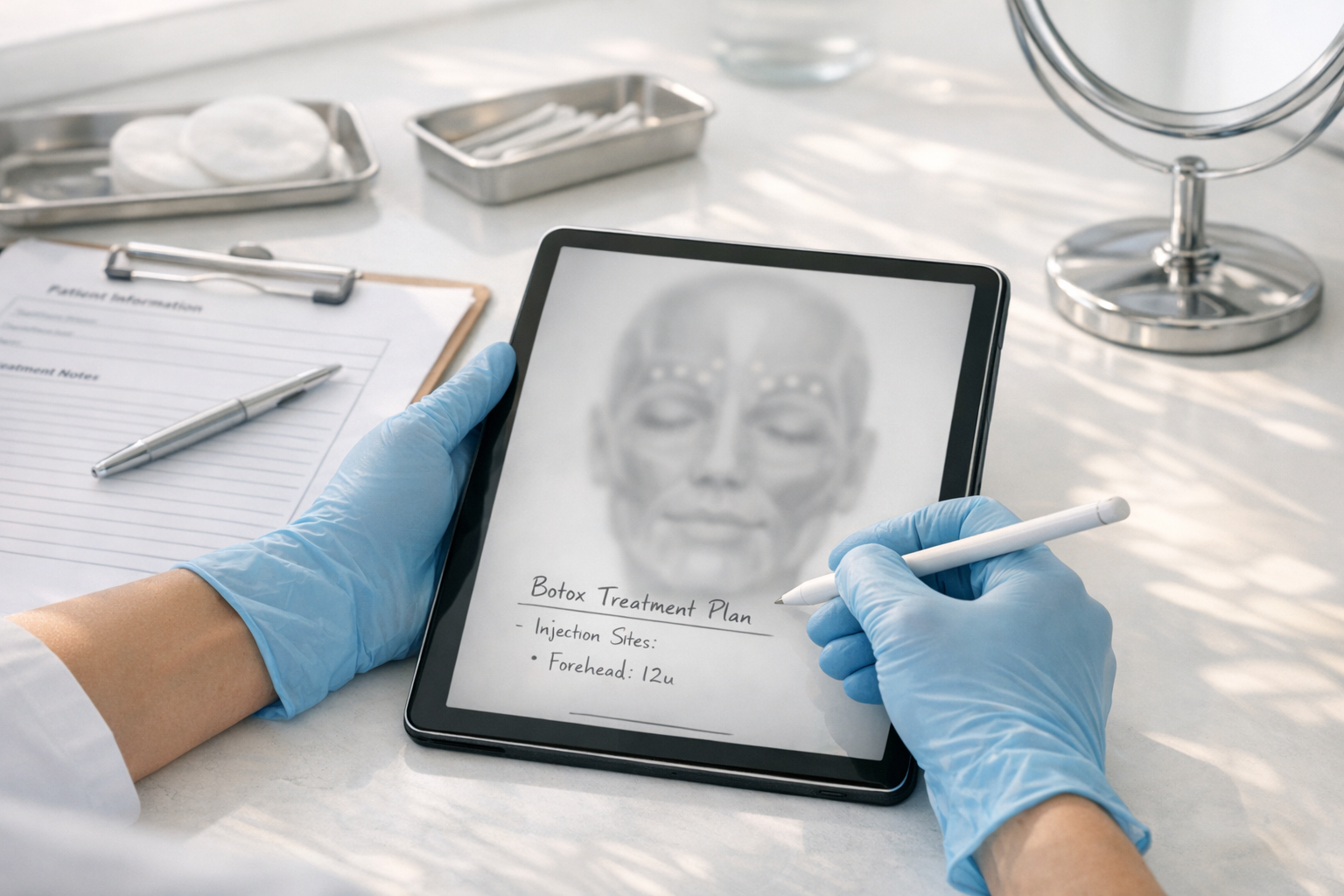
Botox is dosed in units. The goal is not to use as much as possible. The goal is to use the right amount for your anatomy and your desired look. Stronger muscles sometimes need more units to achieve the same level of relaxation, which can affect how long the visible effect lasts. If dosing is too conservative for a strong muscle group, movement may return sooner.
Injection technique and product handling
Skillful placement can influence symmetry, natural expression, and how evenly the result fades. Technique includes depth, location, dilution practices, and the clinical judgement behind a dosing map. While patients often focus on brand names, the practical difference is frequently the plan and the injector’s precision.
First time vs maintenance treatments
Many first time patients notice a learning curve. You are discovering what you like, and your provider is learning how your muscles respond. Some patients feel their initial result fades sooner because their muscles are strong and their movement pattern is established. With consistent treatments over time, some people find they can stretch the interval slightly because the muscles may stay less active between visits. That is not guaranteed, but it is a common pattern reported in aesthetic practice.
Aftercare, stress, and day to day habits
Aftercare does not change biology, but it can protect your outcome in the first day or two. Most clinics recommend avoiding rubbing the area and avoiding strenuous activity immediately after treatment. Long term, sleep, stress, and sun exposure do not directly break down Botox, but they can influence how your skin looks overall. If the skin quality is compromised, it can make it feel like Botox is not doing as much, even when it is working exactly as intended.
Does Botox last longer in some areas than others
Patients often ask whether the forehead lasts longer than the frown lines or whether crow’s feet fade faster. There is no single rule that applies to everyone. In many patients, frown lines can be very responsive because the dosing can be targeted and the goal is clear. For others, the forehead feels like it returns sooner because brow movement is frequent and the frontalis muscle is constantly recruited. Crow’s feet can also vary because smiling patterns are different person to person.
If you notice that one area consistently returns sooner, that is useful information. It does not mean Botox failed. It means your plan can be refined. A well run practice uses that feedback to adjust dosing, placement, or timing in a way that keeps your expression natural.
Three months, four months, six months: setting realistic expectations
Most reputable medical sources describe Botox results as temporary, with a typical duration of several months. When you see claims that Botox lasts 6 months for everyone, take that as a signal to ask better questions. Some individuals do report longer lasting effects, and there are other neuromodulator options in the market that may have different average duration for some indications. But for standard cosmetic Botox, planning around a 3 to 4 month window is usually the most realistic baseline.
If your result seems to last only 6 to 8 weeks, it is worth discussing at your next visit. Sometimes the answer is simple: the dose was intentionally conservative for a first treatment, or the muscle is stronger than expected. Sometimes the area treated is one where you have constant movement. The best approach is not to chase a bigger dose on your own. The best approach is a measured adjustment guided by a medical professional.
How to help your Botox last longer without doing too much
Patients want tips that actually matter. The goal is not to hack Botox. The goal is to protect a good result and avoid choices that undermine it.
Follow the first day guidance
The first day is about keeping product where it belongs. Your provider may recommend staying upright for a period of time, avoiding rubbing or massaging the treated areas, and delaying intense exercise for a short window. These instructions vary by clinician, so your safest move is to follow the plan you are given.
Plan maintenance before you are back to baseline
Many patients wait until all movement returns, then scramble before an event. A more predictable approach is to plan a maintenance visit when you notice early return of movement, often around the 3 month mark for many patients. That timing can help you avoid peaks and valleys and can support a more consistent look across the year.
Support skin quality so the surface matches the muscle result
Botox addresses muscle driven lines. It does not replace skincare. If sun damage, dryness, or texture are part of your concern, a combined plan often looks better than Botox alone. For example, some patients pair injectables with facials, resurfacing, or energy based treatments based on candidacy.
Avoid extremes and do not self adjust frequency
It is tempting to ask for more units to make it last longer or to come back very frequently. Neither choice should be made casually. Over treating can create an unnatural look, and very frequent treatments may not add meaningful benefit if the muscle is still quiet. A medically guided plan prioritizes a natural result and appropriate timing, not a rigid schedule.
Your Botox touch up timeline: when to schedule your next visit
If you are searching Botox touch up timeline, you are not alone. Patients want clarity, especially if they have a wedding, a major work event, or a photo heavy season coming up.
A simple planning framework looks like this.
- Treat at least 2 weeks before a major event so the result has time to settle.
- Expect the strongest result around the early weeks, then a gradual fade.
- Consider a maintenance visit around the time you notice movement returning, often near 3 months for many patients.
If you are a first timer, your provider may schedule a follow up check to confirm symmetry and refine dosing for next time. Check out our clinic CMA Miami.
Planning Botox in Miami: lifestyle myths and what actually matters
Miami is not a quiet city, and your calendar rarely acts like one. Many patients want to look refreshed year round because there is always something on the schedule: outdoor lunches, beach weekends, holiday parties, and last minute travel.
Heat and humidity are not usually the main driver of Botox duration. What matters more is your muscle activity, your metabolism, and the clinical plan. That said, Miami lifestyle can influence your timing. If you know you will be on camera often or you have a season packed with social events, planning ahead matters.
When Botox is not enough on its own: smart combinations
Botox is excellent for dynamic expression lines. Some concerns are not primarily muscle driven. Deep static lines, volume loss, or significant texture changes may need a different tool, or a combination of tools, based on candidacy.
If you want volume support in areas where lines are etched at rest, dermal fillers may be discussed in consultation.
If your concern is texture and firmness, energy based options may be part of a plan. For example, some patients explore Morpheus8 or other InMode treatments when appropriate. You can also learn about InMode options here.
If your goal includes lifting or supporting certain facial areas, threads may be discussed when clinically appropriate.
Safety, side effects, and what to ask at your consultation
A good Botox experience starts with the right questions. Botox is widely used, but it is still a medical treatment and should be approached with medical oversight.
Common short term side effects can include temporary redness, mild swelling, tenderness, or bruising at injection sites. Some people experience headache. Rarely, eyelid or brow droop can occur, especially if product affects a nearby muscle. This is one reason experienced technique and appropriate dosing matter.
At your consultation, consider asking.
- Which areas do you recommend treating first and why.
- What level of movement you will keep, since natural expression is a priority for many patients.
- What the plan is if one side responds differently, since small asymmetries can happen.
- What aftercare you recommend based on your technique.
- How you will plan future visits based on how your first treatment holds.
Bottom line: plan for a range, then personalize from there
If you came here with a single question, the honest answer is still clear. For most patients, Botox lasts about 3 to 4 months, then gradually fades as muscle activity returns. Your actual timeline can be shorter or longer based on your muscles, the treated area, dosing, and your individual physiology.
The best way to get a predictable routine is to treat your first session as the start of a personalized plan. A skilled provider can map your movement, set a natural goal, and then refine timing so your results look consistent without feeling overdone.
If you want a conservative plan tailored to your face, request a consultation with CMA Miami.
FAQs: real questions patients ask about Botox duration
How long does Botox last the first time?
Many first time patients see a result that gradually fades over several months. A typical planning range is about 3 to 4 months, but your timeline can vary. Your first visit is also where dosing and placement are refined for your anatomy.
Does Botox last longer the more you do it?
Some patients feel they can go longer between visits after consistent treatments because the muscles may stay less active. That pattern is not guaranteed, but it is common in practice. A safe plan is to start with the typical range, then adjust based on your response.
Can Botox ever last only 2 months?
It can happen. A shorter window may relate to metabolism, strong facial muscles, conservative dosing, or the specific area treated. If you experience a shorter result, bring it up at your follow up so the plan can be adjusted thoughtfully.
What happens when Botox wears off?
Botox fades gradually. Your muscles slowly regain movement and your lines return toward your baseline. It does not typically make wrinkles worse. It simply stops providing the temporary muscle relaxation.
Is there a way to make Botox last longer?
The most reliable approach is not a shortcut. It is appropriate dosing, precise technique, and a schedule that fits how your movement returns. Following your aftercare instructions can also help protect the early result.
Does sweating, sun, or Miami heat make Botox wear off faster?
Heat and humidity are not usually considered the main drivers of how long Botox lasts. Your muscle activity, metabolism, and dosing plan tend to matter more. Sun protection is still important for skin quality, which affects how smooth your skin looks overall.
When should I schedule my next Botox appointment?
Many patients plan around the first signs of movement returning, often near 3 months, and often schedule at least 2 weeks before major events. Your provider can recommend timing based on your goals and response.
Can I do Botox more often than every 3 months?
Frequent retreatment is not always necessary and should be guided by a qualified clinician. If movement returns sooner in one area, discuss it at follow up to see whether an adjustment in dosing or timing is appropriate.
Is Botox safe?
Botox has a long history of use in medicine and aesthetics, but it is still a prescription medication. Safety depends on appropriate patient selection, dosing, and professional technique. A consultation is where contraindications, risks, and expectations should be reviewed.