
Botox vs. Fillers: What’s Better for Wrinkles in Miami?
Botox vs. Fillers: What’s Better for Wrinkles in Miami?
Wrinkles are a single word for at least three different problems. That’s why so many people end up frustrated after a treatment that “should have worked.”
Some lines are driven by muscle movement—your face folding the same way thousands of times. Others show up because the structure under the skin has changed: cheeks flatten, skin support shifts, and shadows deepen around the mouth. And then there’s skin quality—sun exposure, texture, and thinning—which can make any crease look harsher.
Botox and dermal fillers address different causes. One relaxes overactive muscles. The other restores support and shape. If you pick the right tool for the right problem, the result can look calm, rested, and natural. If you pick the wrong one—or do too much too fast—you can end up frozen, puffy, or simply unchanged.
This guide is designed to help you decide with clarity: what each treatment actually does, where each works best, when combining makes sense, and how to choose a plan that fits your face and your life in Miami.
The decision most people are actually making
“Wrinkles” from movement vs “wrinkles” from volume loss
When people say “wrinkles,” they often mean one of two things:
- Expression lines: creases that appear or deepen when you raise your brows, frown, or squint.
- Volume-related folds: lines that show up because facial support has changed—often visible even when your face is relaxed.
The best results come from matching the treatment to the source. Botox treats movement. Fillers treat structure.
The two outcomes patients usually want: softer lines vs a fresher shape
Most patients are looking for one of these outcomes:
- Softer lines without losing personality.
- A fresher shape—less tired, less heavy, more balanced.
Once you know which outcome matters more, the plan becomes simpler.
When doing nothing is the right call (timing, expectations, and lifestyle)
Not every line needs treatment right now. Sometimes the right decision is to wait—especially if you’re in the middle of major weight changes, a stressful sleep-deprived season, or you want a dramatic transformation on a tight deadline. The most reliable aesthetic work is done when timing supports healing, settling, and honest assessment.
How facial aging shows up in real life
Expression patterns: forehead, frown, squint, and tension habits
Many lines don’t start as “aging.” They start as habits. Some people hold tension between the brows. Others lift the forehead constantly. Squint patterns deepen lines around the eyes. Over time, the same muscle activity builds grooves into the skin.
Volume changes: cheeks, around the mouth, and structural support
Facial support changes with age. The midface can flatten, and that shift affects the lower face: nasolabial folds deepen, corners of the mouth pull down, and shadows form where the cheek used to support the area.
Skin quality: sun exposure, texture, and why it changes the final look
Miami sun is a major factor in how lines look. Texture changes, thinning skin, and uneven pigmentation can make creases look deeper. This matters because Botox and fillers don’t “replace” skin quality work. They can improve lines and shape, but the best long-term outcomes usually include skin-health habits too.
What Botox actually does (and what it doesn’t)
The mechanism in plain language: relaxing overactive muscles
Botox is a neuromodulator. It temporarily relaxes targeted muscles so they don’t contract as strongly. That reduces the folding that creates expression lines.
Which lines respond best—and which ones only improve partially
Botox tends to work best for lines tied directly to movement:
- forehead lines caused by lifting the brows,
- “11” lines between the brows from frowning,
- lines around the eyes from squinting.
Deep etched lines may soften but not disappear completely—especially if they’re present even when your face is fully relaxed. In that case, Botox can be part of the solution, but it may not be the entire solution.
Why “preventative” conversations can get misleading without context
“Preventative” Botox is often discussed as if it’s a universal need. It isn’t. The better question is whether your expression patterns are creating lines you want to soften, and whether a conservative dose would reduce that folding without making you look flat.
Miami botox: where neuromodulators tend to make the biggest difference
Forehead and frown area: smoothing without flattening expression
The forehead and glabella (between the brows) are common areas where Botox can make a meaningful difference. The best work preserves natural movement. You still look like you—you just look less tense.
Eye area: softening squint lines while keeping natural movement
Around the eyes, conservative dosing matters. The goal is to soften squint lines without affecting the way you smile or express warmth.
Lower face considerations: why technique and candidacy matter more here
Lower-face Botox can be helpful in certain situations, but it requires careful candidacy assessment because the muscles involved affect speech, chewing, and expression in more complex ways. This is where an experienced provider’s judgment is critical.
What fillers actually do (and what they don’t)
Restoring support: how adding structure changes the appearance of lines
Fillers work by restoring support under the skin. Instead of “filling a wrinkle” like spackle, the best approach often rebuilds the foundation: restoring cheek support can reduce the appearance of folds below.
Why fillers don’t “turn off” expression wrinkles
If a line is mostly caused by muscle movement, filler alone won’t solve it. You can add volume, but the muscle will still fold the skin. That’s why some expression-dominant lines respond better to Botox first.
The difference between “filling a line” and rebuilding foundation
Treating a line directly can sometimes look heavy, especially around the mouth. Rebuilding support can improve the same area more naturally with less product.
juvederm dermal fillers: why product choice and placement change the result
When a softer, more blending approach is the safer aesthetic
Some faces do best with subtle blending—small amounts, thoughtfully placed. That approach tends to look natural in Miami’s bright lighting and in unfiltered photos.
When structure matters more than volume
In other cases, the goal isn’t “more fullness,” it’s better support and contour. That can mean prioritizing cheek and chin structure over chasing every line.
Why “more syringe” is rarely the correct plan
More product does not equal a better result. Overfilling can create heaviness, distort natural proportions, and make the face look swollen rather than refreshed.
Dermal fillers miami: where fillers solve wrinkles by addressing volume loss
Midface support and how it affects under-eye and lower-face shadows
Supporting the midface can reduce shadowing that makes the under-eye and nasolabial area look tired. Often the best results come from treating the cheek area rather than injecting directly into every crease.
Around the mouth: when volume helps—and when it can look heavy
Around the mouth, a conservative approach matters. Some lines soften beautifully when structure is restored. Others are more about skin texture and movement and need a different plan.
Chin and jawline support: when it improves balance vs when it’s unnecessary
For some patients, subtle chin and jawline support improves overall balance and reduces the look of sagging or heaviness. For others, it’s unnecessary. This should be decided based on facial proportions and the specific concern.
Botox vs fillers by wrinkle type: a practical map
Expression-dominant lines: when Botox is usually the primary tool
If lines appear mainly when you move your face, Botox is usually the first-line option because it addresses the cause: muscle contraction.
Volume-dominant lines: when fillers are usually the primary tool
If folds and shadows are present at rest and relate to volume loss, fillers are often the primary tool because they restore support.
Mixed patterns: when both are reasonable, and why sequence matters
Many patients have a mixed pattern: expression lines plus structural changes. In those cases, combining can be the most natural-looking approach—but sequence matters.
When combining makes sense: the “relax + restore” plan
Why treating movement first can prevent overfilling
If you calm the muscle first, you often need less filler because the skin isn’t being folded as aggressively. This is one of the most common ways to avoid a heavy look.
When restoring structure first makes more sense
Sometimes structure is the main issue. Restoring cheek support can change the way the face sits, which can reduce the appearance of lines before you touch movement-related areas.
How to build a conservative plan that still looks noticeable
A conservative plan is not a weak plan. It’s staged.
- Start with the area most responsible for the concern.
- Let it settle.
- Reassess with photos.
- Add only what’s needed.
This approach protects natural expression and avoids the “too much, too soon” cycle.
How to avoid common outcomes people regret
The “frozen” look: dosing, placement, and unrealistic targets
A frozen look usually comes from over-treating muscles or treating the wrong muscles. The goal should be softening, not erasing every micro-movement. A good provider explains what’s achievable without flattening your expression.
The “puffy/heavy” look: treating the wrong problem with filler
A puffy look often happens when filler is used to chase expression lines or when too much product is placed without addressing foundation. If your primary issue is movement, filler alone may be the wrong tool.
The rushed correction cycle: why impatience causes most aesthetic mistakes
Most regret comes from rushing: adding more product before swelling settles, “touching up” too soon, or stacking treatments without a clear plan. Time is part of aesthetic medicine.
Timeline, upkeep, and what results feel like in everyday life
What you’ll notice in the first two weeks (and what to ignore early)
Botox typically settles over about two weeks. Fillers can look different day-to-day early on as swelling resolves. Early mirror checks are notoriously misleading. Photos taken in consistent lighting are far more useful.
How long results typically hold before you feel the change again
Duration varies by metabolism, area treated, dosing, and lifestyle. Your provider should discuss what is typical for your plan and how maintenance visits are usually timed.
Planning around travel, big events, and Miami’s year-round social calendar
If you have an event, plan backward.
- Botox needs time to settle.
- Fillers need time to integrate.
Two to four weeks of buffer is a practical minimum for most people who want to look settled, not freshly treated.
Cost planning without confusion
What drives price: area, product choice, and amount—not hype
Cost is driven by complexity, amount used, and the plan required—not by the promise of a specific outcome.
Why “one syringe” isn’t a meaningful unit for many faces
Syringe count doesn’t reflect artistry or strategy. Some faces need a small amount in the right place. Others need a staged plan. Price should be evaluated against the plan, not the unit.
How to compare quotes based on plan quality, not just a number
Compare:
- the consultation thoroughness,
- the treatment rationale,
- the follow-up and refinement plan,
- the provider’s willingness to say “not needed.”
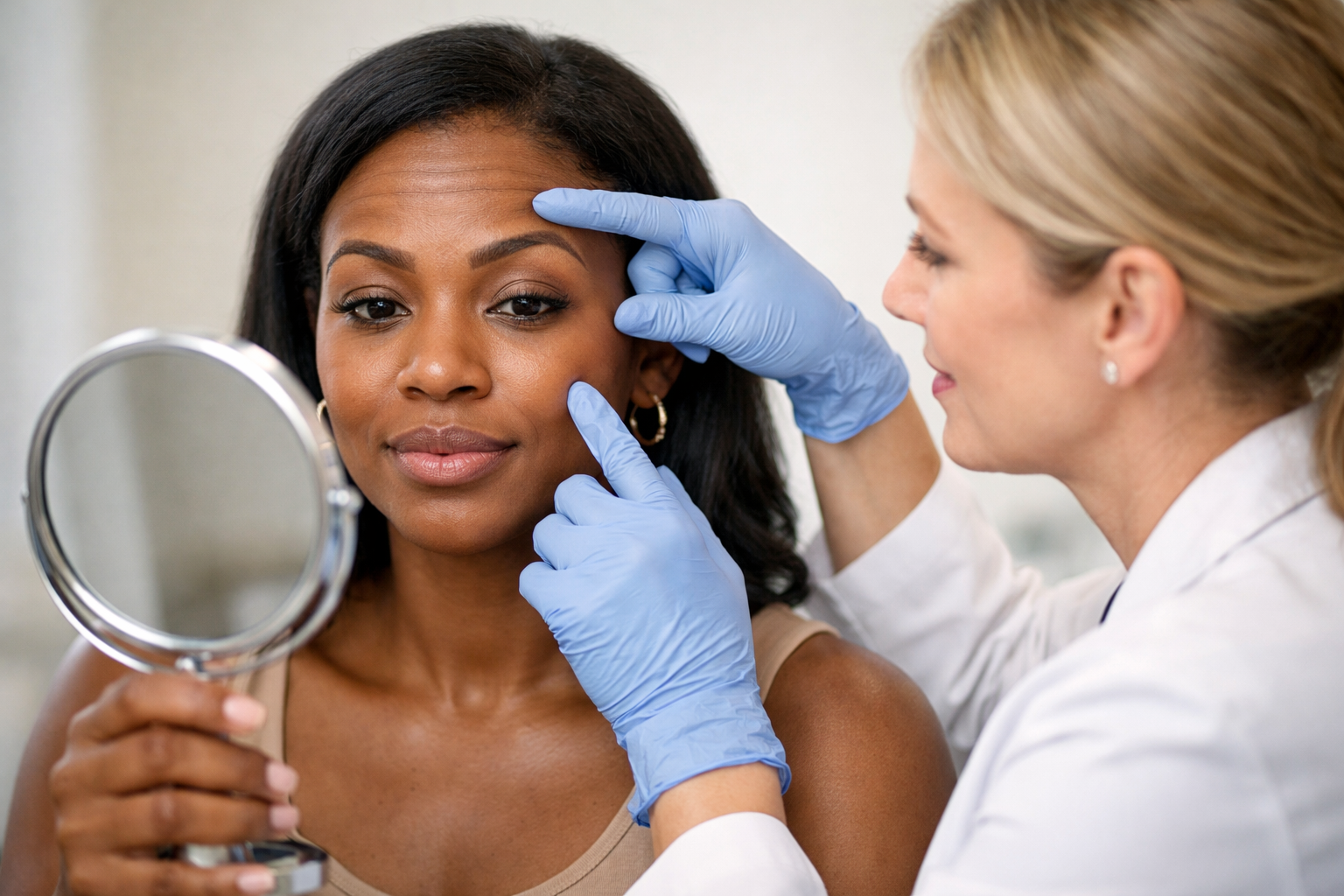
Botox injections near me: how to choose a provider without guessing
What a responsible consultation should include
A responsible consult includes assessment of movement patterns, facial structure, and your goals, plus a conservative plan that prioritizes natural expression.
The safety and aesthetics questions that reveal experience
Ask:
- “What would you recommend if your goal were to keep it subtle?”
- “What’s the plan if I don’t like the result?”
- “What do you recommend not treating today?”
Red flags that signal you should walk away
Walk away if:
- you’re pushed into more product than you asked for,
- you’re promised a guaranteed look,
- the plan feels generic,
- your concerns about looking overdone are dismissed.
A simple decision checklist you can use in one appointment
If your main issue is expression lines
Start with Botox. It addresses the cause and usually delivers the cleanest improvement with the least product.
If your main issue is shadows and folds from volume loss
Discuss fillers. A structural approach often improves the look of folds more naturally than chasing lines directly.
If you want a natural look and you’re nervous about “overdone” results
Choose a staged plan. Conservative dosing and a willingness to stop early is usually what protects a natural look.
If you’re not sure what you need: how to ask for an honest plan
Tell your provider: “I want the most conservative plan that still makes a visible difference. If I’m not a candidate for something, I want you to say so.”
Next steps: what to do before booking
What to bring to your consult (photos, goals, past treatments)
Bring:
- a clear description of what bothers you most,
- any prior Botox or filler history,
- photos where you feel like you looked your best (helpful for understanding what changed).
How to plan timing so results land when you need them
Don’t book the week of your event. Give yourself time to settle, reassess, and refine if needed.
How to choose a conservative starting point that you can build on later
Start with the primary driver (movement or volume), evaluate, then add only what’s necessary. That’s how you get a result that looks like you—just more rested.
If you’re deciding between Botox and fillers, a well-run consultation should make the answer feel obvious. You should understand why one option fits better, what a realistic outcome looks like, and what the plan is for follow-up.
FAQ
Is Botox better than fillers for wrinkles?
It depends on what’s causing the wrinkle. Botox is usually better for lines caused by muscle movement. Fillers are usually better for folds and shadows caused by volume loss. Many people have both, which is why combined plans can look most natural.
Can Botox fix deep wrinkles?
Botox can soften deep expression lines, but if the line is etched into the skin at rest, it may not disappear fully. The goal is often to relax the muscle so the line stops deepening, then reassess whether additional support or skin-quality treatments are needed.
Do fillers make you look puffy?
They can if too much product is used, if the plan treats the wrong problem, or if placement isn’t structural. A conservative, staged plan is the best way to avoid heaviness.
How long does Botox take to work?
Most people notice change gradually over about two weeks. This is why follow-up timing matters.
How long do fillers last?
Duration varies by area, product, and individual factors. Your provider should explain what’s typical for the specific plan you’re considering.
Can you do Botox and fillers in the same visit?
Sometimes, yes—but a staged approach is often safer aesthetically. Treating movement first can reduce how much filler is needed. In other cases, restoring structure first makes more sense. The right sequence depends on what’s driving your concern.
How do I choose between Botox and fillers if I’m unsure?
Ask for a diagnosis-based plan: “Is this mainly movement, volume loss, or both?” Then ask what the most conservative first step would be. A good provider can explain the reasoning in plain language.